


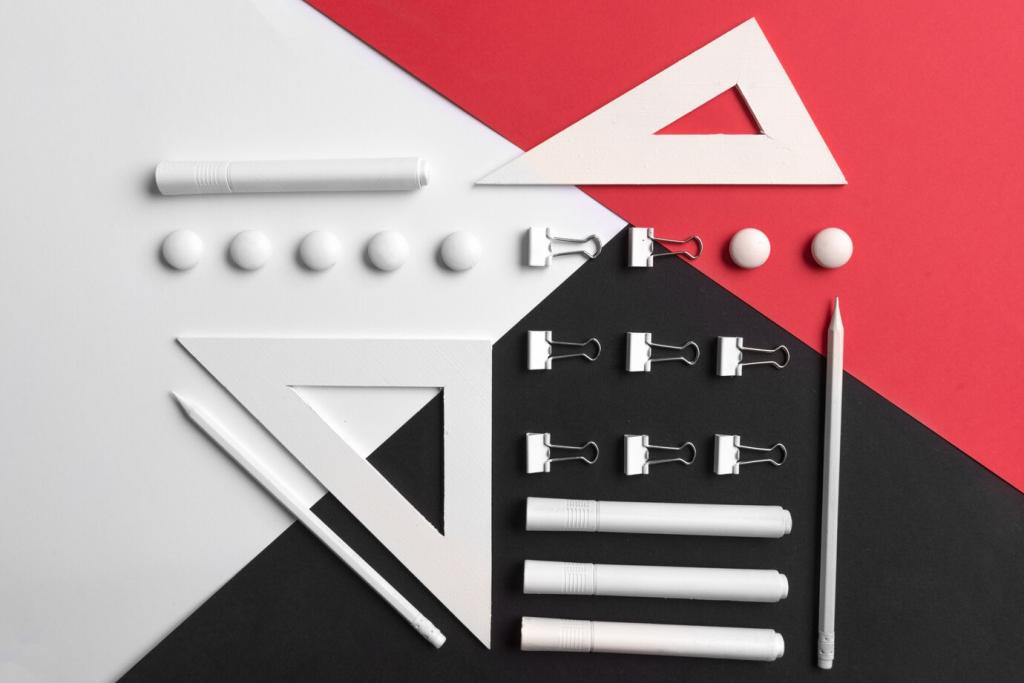
Chosen theme: Creating Harmony with Complementary Colors. Step into a world where opposites collaborate beautifully. Learn how pairing hues across the wheel can spark warmth, balance, and memorable visuals in art, interiors, branding, and everyday creativity. Subscribe and join our color-loving community today.

Why Opposites Attract

Complementary colors sit across the color wheel, creating simultaneous contrast that feels energetic yet complete. Our eyes seek equilibrium, so pairing opposites provides visual resolution, much like a musical cadence resolving to a pleasing chord after rising tension.

Primary Complements in Practice

Think of red and green, blue and orange, yellow and violet. These pairs echo familiar scenes: deep blue horizons warming against orange sunsets, or golden blooms glowing beside purple shadows. In design, they help focal points sing while backgrounds quietly support the composition.

Beyond the Basics: Split Complementary

When full opposites feel too bold, try a split complementary scheme. Choose one main hue and two neighbors of its opposite, easing contrast while preserving harmony. This technique adds flexibility, subtlety, and depth without sacrificing the energy complementary relationships naturally deliver.

Building Balanced Palettes

Select a dominant color for roughly sixty percent of the space, a supporting color for thirty percent, and a bold complementary accent for ten percent. This simple ratio calms strong contrasts and ensures your complementary highlight truly feels purposeful and inviting.

Building Balanced Palettes

Softening one hue while keeping its complement saturated can prevent harsh vibration. Add white for tints, gray for tones, and black for shades. Adjusting value and saturation produces harmony, turning loud opposites into a refined conversation instead of a competitive shout.


Stories from Nature’s Wheel

Sky and Stone at Dusk

On a late hike, a cool blue sky folded into glowing bands of orange, and the mountains seemed softer than usual. That evening contrast felt like an exhale. Snap your own dusk photos and notice how complementary colors calm the mind while energizing the scene.

A Gardener’s Quiet Trick

A neighbor planted golden marigolds beside violet salvia, and the walkway transformed from ordinary to radiant. The colors lifted each other without fighting. Try pairing yellow blooms with purple accents in your garden, then share before-and-after pictures with our community for inspiration.

Underwater Symphony

During a first snorkel, bright orange fish wove through teal water, and time basically stopped. Those complementary hues created a living painting. If you love marine palettes, collect swatches from dive photos, then post your favorite complementary pairings and the moods they evoke.

Complementary Colors in Your Home

Anchor the space with deep navy walls or a rug, then add burnt orange pillows and a terracotta throw. The cool base calms, while orange accents spark conversation. Share a snapshot of your setup and tell us which element made the room finally click.
Logo Contrast without Shouting
Choose one dominant hue and a softer complementary accent to highlight key marks. Keep value contrast high enough for legibility, and test at small sizes. When complements support rather than compete, your logo feels iconic, not noisy, across screens, print, and products.
Social Templates that Stay Cohesive
Design a template system that assigns the complementary accent to calls to action while reserving the main hue for backgrounds. Rotate imagery, not colors, to build recognition. Share a carousel using your new system, and ask followers which slide grabbed their attention first.
A Small Café Finds Its Voice
A neighborhood café paired teal menus with coral illustrations, then softened tables with neutral linens. The complements made pastries glow in photos, and sales subtly rose. Experiment with one bold complementary accent for your project, then tell us how it changed customer reactions.

Art, Photography, and Editing Techniques

Instead of black, mix a touch of the complement to deepen shadows. Add red into green foliage or green into red fabric to mute and shape form. This approach creates lifelike depth. Show your before and after studies for friendly critique and shared learning.
High-saturation complements can produce a jittery effect where edges meet. Introduce a thin neutral outline or shift one color’s value slightly. This simple buffer calms the boundary, keeping the energy you want without straining eyes during long viewing sessions.

Troubleshooting Complementary Contrast

Pionbemaxjepe
Privacy Overview

This website uses cookies so that we can provide you with the best user experience possible. Cookie information is stored in your browser and performs functions such as recognising you when you return to our website and helping our team to understand which sections of the website you find most interesting and useful.